
Angling & Countryside Qualification
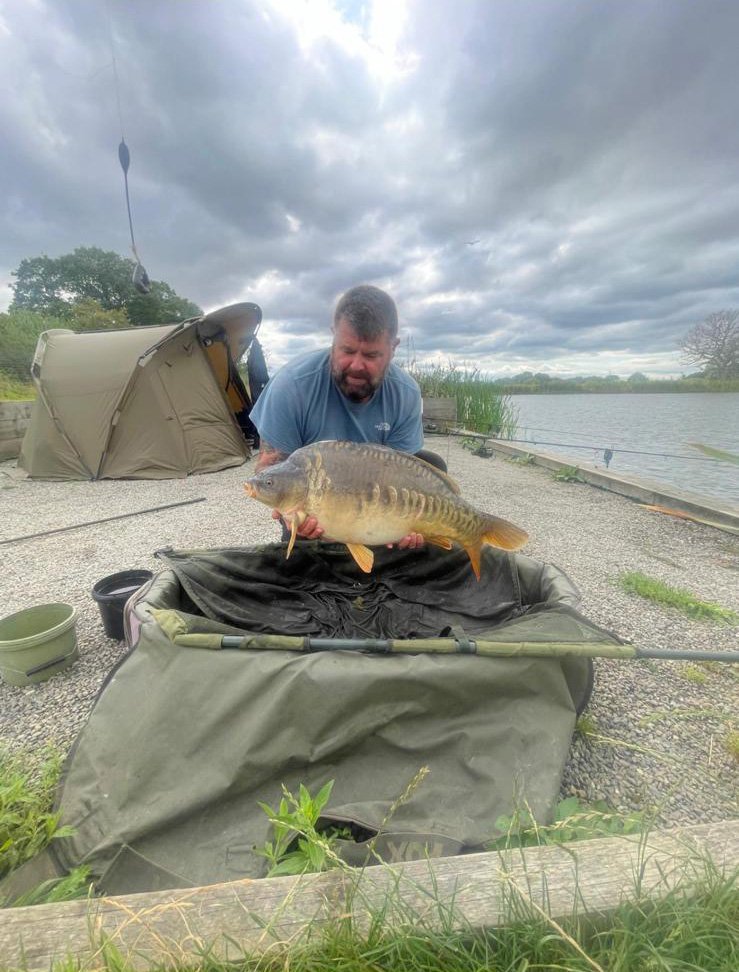

Fishing
TRUST Education Group Selected to Launch 2026 Pilot Programme
TRUST Education Group has been selected to launch the 2026 pilot programme in partnership with Fishing for Schools. The qualification has been designed to combine practical angling with conservation, personal development and employability skills, helping learners build confidence, engagement and real-world skills both in and out of the classroom.
Pilot delivery is scheduled to begin from September 2026.
Who is it for
- Key Stage 3 learners
- Key Stage 4 learners
- Learners who benefit from practical, outdoor and vocational learning experiences
- Teachers and coaches will deliver a quality-assured programme with clear progression opportunities
- real life qualifications that are widely recognised
Why choose this qualification
- Engaging – practical learning that supports attendance and behaviour
- Transferable skills – teamwork, communication, planning and reflection
- Conservation minded – aquatic ecology, fish welfare and habitat care
- Safe practise – water safety, risk awareness and equipment care
- Progression – clear next steps into sport, conservation, volunteering and work
- Integrated learning – links to numeracy, literacy, IT, and science through applied outdoor learning
What learners will cover
The draft specification includes:
- Water safety and safe conduct near open water
- Angling equipment, set up and care
- Casting, playing and landing fish responsibly
- Aquatic ecology and conservation in the UK
- Recording, reflection and personal goal setting
- Teamwork, problem solving and basic event planning
- Next steps in angling, conservation and the rural economy
- Assessment will combine practical observation, short knowledge checks and a learner portfolio. Final structure is subject to awarding body sign off.
Includes broader classroom subjects
The qualification will also connect with broader classroom subjects and transferable learning areas, including:
- Numeracy – counting catch, measuring distance, and calculating line weight and reel spooling ratios
- Literacy – written reflections, recording findings, and developing notation skills for data and observation
- IT skills – using digital tools to record results, track conservation data, or create presentations
- Science and geography – understanding aquatic habitats, ecosystems, and weather patterns
- Outdoor learning – promoting wellbeing, mindfulness, and a stronger connection to nature
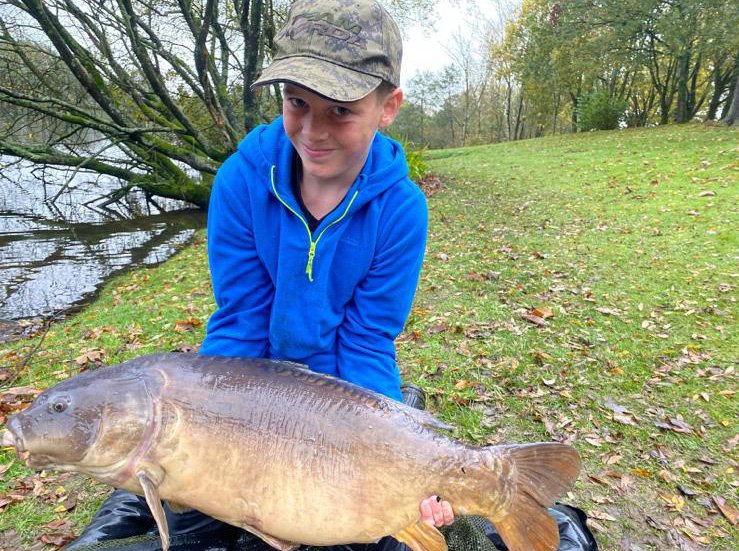
Delivery model
The draft specification includes:
- Blended, classroom sessions, bank side sessions and guided self study
- Coach ratio – typically 1 to 3, adjusted for group needs and venue
- Duration – flexible guided learning hours to fit timetables
- Venues – school grounds where suitable, partner fisheries, community waters
- Safeguarding – all Fishing for Schools coaches are DBS checked, trained and insured
- We will publish a centres handbook with venue standards, kit lists and risk templates.